
Comprehensive Guide to High-Quality Nickel Alloy Steel Wholesalers for Durable Solutions
2026-04-07
In today’s demanding industrial landscape, sourcing high-quality nickel alloy steel is not just a procurement task—it’s a strategic investment in durability, performance, and long-term success. Whether you’re in aerospace, oil and gas, or chemical processing, the right materials can make all the difference, standing up to extreme temperatures, corrosive environments, and intense pressures. This comprehensive guide dives deep into the world of nickel alloy steel wholesalers, offering insights to help you navigate the market, identify reliable suppliers, and secure solutions that truly last. From key selection criteria to emerging industry trends, we’ll equip you with the knowledge needed to make informed decisions. As you explore these topics, consider how partnering with established leaders like Jiangsu Baowu New Materials can elevate your projects. With a reputation for innovation and excellence, they exemplify the quality and reliability that define top-tier suppliers. Ready to transform your approach to durable materials? Let’s begin.
Identifying Key Attributes of Premium Nickel Alloys
When sourcing premium nickel alloys, it's crucial to look beyond basic specifications and focus on attributes that truly define quality and reliability. Key factors include corrosion resistance in extreme environments, such as those found in chemical processing or marine applications, where alloys like Hastelloy C-276 excel due to their high molybdenum content. Additionally, mechanical strength at elevated temperatures is a standout feature, with alloys like Inconel 718 offering superior performance in aerospace and power generation industries. Understanding these attributes helps ensure the alloy meets specific operational demands and minimizes long-term costs from failures or maintenance issues.
Another vital aspect is fabricability, which encompasses weldability, machinability, and formability. Premium nickel alloys often require specialized techniques due to their work-hardening tendencies; for instance, alloys with high chromium content, like Incoloy 800H, may need controlled heating during welding to prevent cracking. Moreover, thermal stability plays a pivotal role, as alloys must retain their properties under cyclic thermal stresses without degradation. By evaluating these attributes, users can select alloys that not only perform but also integrate smoothly into manufacturing processes, reducing downtime and enhancing overall efficiency.
In practice, identifying these attributes involves detailed testing and certification, such as analyzing microstructure through metallography or conducting stress-corrosion cracking tests. Real-world case studies show that alloys with optimized nickel-chromium ratios, like Monel 400, withstand harsh conditions in oil and gas pipelines better than alternatives. Ultimately, a thorough assessment customized to application-specific needs—rather than relying on generic data sheets—leads to more durable and cost-effective solutions in demanding sectors.
Evaluating Supplier Reliability and Industry Experience
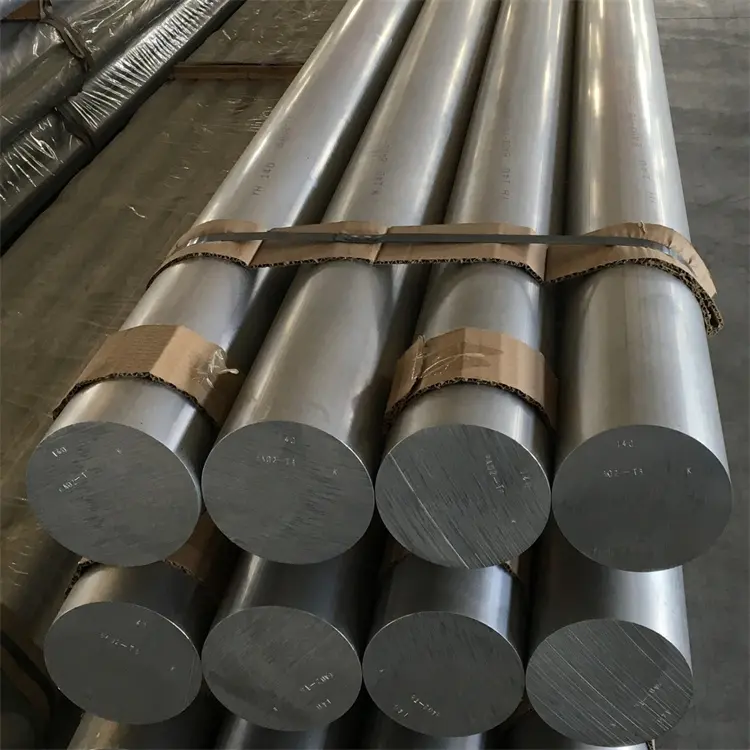
When assessing supplier reliability, start by examining their track record in delivering on promises. Look for consistent performance metrics, such as on-time delivery rates and quality control reports. A reliable supplier often demonstrates transparency in communication, proactively addressing potential issues before they escalate. Consider seeking references from other clients to gauge their experiences, as firsthand accounts can reveal nuances not captured in standard evaluations.
Industry experience plays a crucial role in supplier evaluation, as it often translates into deeper market insights and problem-solving abilities. Suppliers with years of expertise typically have well-established networks, enabling them to navigate challenges like supply chain disruptions more effectively. Their familiarity with industry standards and regulations can also streamline compliance processes, reducing risks for your business. Evaluate this by reviewing case studies or project portfolios that showcase their past work in similar contexts.
To stand out in evaluations, focus on aspects like innovation and adaptability alongside traditional metrics. A supplier might have strong reliability and experience, but their ability to evolve with technological trends or customer needs can be a key differentiator. Engage in detailed discussions about how they handle change management and continuous improvement, as this can indicate long-term partnership potential. Ultimately, a balanced approach that weighs both proven reliability and forward-thinking experience helps in selecting suppliers who align with your strategic goals.
Assessing Material Certifications and Compliance Standards
When it comes to ensuring quality and safety, material certifications play a crucial role by verifying that products meet specific industry benchmarks. These documents, often issued by accredited bodies, serve as tangible proof that materials have undergone rigorous testing for properties like durability, chemical resistance, and environmental impact. Without such certifications, companies might face risks related to product failures or non-compliance with regulatory requirements, potentially leading to costly recalls or legal issues.
Compliance standards, on the other hand, encompass a broader framework of rules and guidelines that materials must adhere to, depending on the sector and geography. For instance, in construction, standards might focus on fire safety and structural integrity, while in healthcare, they could emphasize biocompatibility and sterility. Navigating this landscape requires a proactive approach, as standards frequently evolve in response to new research, technological advancements, or shifting consumer expectations for sustainability and ethics.
To truly stand out, businesses should go beyond mere checkbox compliance by integrating certification assessments into their core processes. This involves regular audits of supplier documentation, staying updated on global standard changes, and investing in third-party testing for independent validation. By doing so, they not only mitigate risks but also build trust with customers and partners, demonstrating a commitment to excellence that can differentiate their offerings in a competitive market.
Exploring Custom Solutions and Fabrication Capabilities
At our core, we engineer tailored solutions that transform unique challenges into tangible successes. Instead of offering one-size-fits-all products, we dive deep into each project, crafting designs that fit like a glove—whether it's a specialized component for aerospace or a bespoke fixture for medical devices. This approach ensures every client receives a solution that not only meets but exceeds their specific functional and environmental requirements, all while maintaining efficiency and reliability.
Our fabrication capabilities are built on a foundation of advanced technology and skilled craftsmanship, enabling us to bring these custom designs to life with precision. From 3D printing to CNC machining, we leverage state-of-the-art equipment to handle materials ranging from lightweight alloys to durable composites, ensuring high-quality output across diverse industries. This flexibility allows us to adapt quickly to evolving project needs, reducing lead times and enhancing overall project agility.
What truly sets us apart is our collaborative process: we partner closely with clients throughout the entire journey, from initial concept to final production. By fostering open communication and iterative feedback, we ensure that each solution is refined to perfection, delivering not just a product but a seamless experience. This hands-on methodology has helped us build lasting relationships and a reputation for innovation in custom fabrication.
Analyzing Supply Chain Efficiency and Global Distribution
Understanding supply chain efficiency involves examining how well resources flow from production to consumers across borders, reducing delays and optimizing costs for businesses worldwide. It's not just about speed; it's ensuring resilience and adaptability to disruptions like geopolitical shifts or natural events, which can reshape entire industries overnight.
Global distribution adds a layer of complexity, as companies must navigate diverse regulations, cultural nuances, and logistical hurdles to deliver products effectively. By leveraging data analytics and emerging technologies, firms can tailor strategies to local markets, enhancing both reach and customer satisfaction in an interconnected economy.
Ultimately, a deep dive into these areas reveals that sustainable success hinges on balancing efficiency with ethical practices and innovation, fostering agility in a rapidly changing global landscape.
Prioritizing Customer Support and Technical Expertise
When it comes to building a reliable service, putting customer support front and center can make all the difference. It's not just about answering queries quickly; it's about truly understanding what users need and empowering them to get the most out of your product. By focusing on responsive, empathetic support, you create a foundation of trust that keeps customers coming back and turns challenges into opportunities for growth.
Technical expertise goes hand-in-hand with strong customer support, ensuring that solutions aren't just quick fixes but are built to last. Our team dives deep into every issue, blending hands-on experience with up-to-date knowledge to tackle complex problems effectively. This approach means we don't just resolve tickets—we anticipate future needs and continuously refine our tools, helping users navigate even the trickiest technical landscapes with confidence.
What sets us apart is how these two elements intertwine seamlessly: support agents are trained not only in communication skills but also in technical troubleshooting, allowing for faster, more accurate assistance. This dual focus leads to smoother interactions, fewer escalations, and a more intuitive user experience overall. By weaving technical know-how into every support conversation, we ensure that every question is met with both care and clarity, fostering lasting relationships built on genuine expertise.
FAQ
Look for suppliers with stringent quality certifications (like ISO 9001), a proven track record in industrial applications, and transparent material sourcing. High-quality wholesalers often provide technical data sheets and can customize alloys for specific durability needs.
They offer specialized alloys, such as Inconel or Hastelloy, designed to resist harsh environments. By analyzing your project's exposure to chemicals or extreme temperatures, they recommend solutions that extend equipment life and reduce maintenance costs.
Check if they maintain sufficient stock of standard grades and have flexible supply chains for rare alloys. Reliable suppliers avoid delays by forecasting demand and partnering with trusted mills, ensuring consistent availability for urgent orders.
Yes—consider bulk purchasing for discounts, opting for standardized grades over custom blends where possible, and working with wholesalers that offer value-added services like cutting or pre-processing to reduce waste and labor expenses.
They provide mill test reports, chemical composition certificates, and traceability documentation. Many also assist with regulatory guidance, such as meeting ASTM or ASME specifications, to ensure materials meet safety and performance benchmarks.
Expert wholesalers offer engineering consultations to match alloys to your needs, like high-temperature resistance in aerospace or pressure containment in oil and gas. Their insight helps prevent material failures and optimizes project outcomes.
Yes, top-tier suppliers collaborate with metallurgists to develop tailored alloys. They'll test prototypes under simulated conditions, ensuring the final product meets exact requirements for strength, corrosion resistance, or other critical properties.
Avoid suppliers with vague pricing, limited post-sale support, or poor communication. Instead, verify their reputation through client testimonials and site visits, and ensure they offer clear warranties and responsive customer service for ongoing projects.
Conclusion
When sourcing nickel alloy steel for durable industrial applications, a systematic approach ensures optimal outcomes. Identifying key attributes of premium nickel alloys involves understanding composition, corrosion resistance, and mechanical properties tailored to specific environments. Concurrently, evaluating supplier reliability and industry experience is crucial, as established wholesalers with proven track records offer consistency and risk mitigation. Assessing material certifications and compliance standards, such as ASTM or ASME, guarantees adherence to stringent quality and safety requirements, providing assurance in critical sectors like aerospace or chemical processing.
Exploring custom solutions and fabrication capabilities enables tailored products that meet unique project demands, enhancing durability through precise engineering. Analyzing supply chain efficiency and global distribution ensures timely delivery and cost-effectiveness, mitigating disruptions in operations. Finally, prioritizing customer support and technical expertise fosters collaborative partnerships, where expert guidance on alloy selection and application troubleshooting adds significant value. By integrating these aspects, businesses can secure high-quality nickel alloy steel solutions that deliver long-term performance and reliability.
Contact Us
Contact Person: Zoe Liang
Email: [email protected]
Tel/WhatsApp: 86 189 2128 6299
Website: https://www.baowuchina.com