
FWA Solution Provider: Unlocking Next-Generation Wireless Connectivity
2026-05-16
As the demand for seamless, high-speed connectivity surges, Fixed Wireless Access (FWA) is emerging as a game-changer for bridging the digital divide. Yet, unlocking its full potential requires more than just infrastructure—it demands a strategic partner who understands the nuances of next-generation wireless. Enter IPLOOK, a solutions provider redefining how networks deliver reliable, scalable FWA. In this blog, we explore the innovations driving this transformation and why IPLOOK's approach might be the key to staying ahead in a hyper-connected world.
Bridging the Digital Divide with Instant Wireless Reach
Instant wireless technology is reshaping how communities access the internet, offering a lifeline to those left behind by traditional infrastructure. In rural and remote areas, where laying cables is cost-prohibitive, wireless solutions leap over geographic barriers, delivering connectivity that once seemed impossible.
This approach does more than just provide a signal—it unlocks educational resources, healthcare access, and economic opportunities. A farmer can monitor market prices in real time, a student can attend virtual classes, and a clinic can consult with distant specialists, all because a wireless signal reached their doorstep.
By cutting through bureaucratic delays and minimizing physical construction, instant wireless deployment turns months of waiting into days of action. It empowers local entrepreneurs to build community networks, fosters digital literacy organically, and ensures that no one is permanently stuck on the wrong side of the connectivity gap.
Fiber-Grade Performance, Unleashed from the Ground
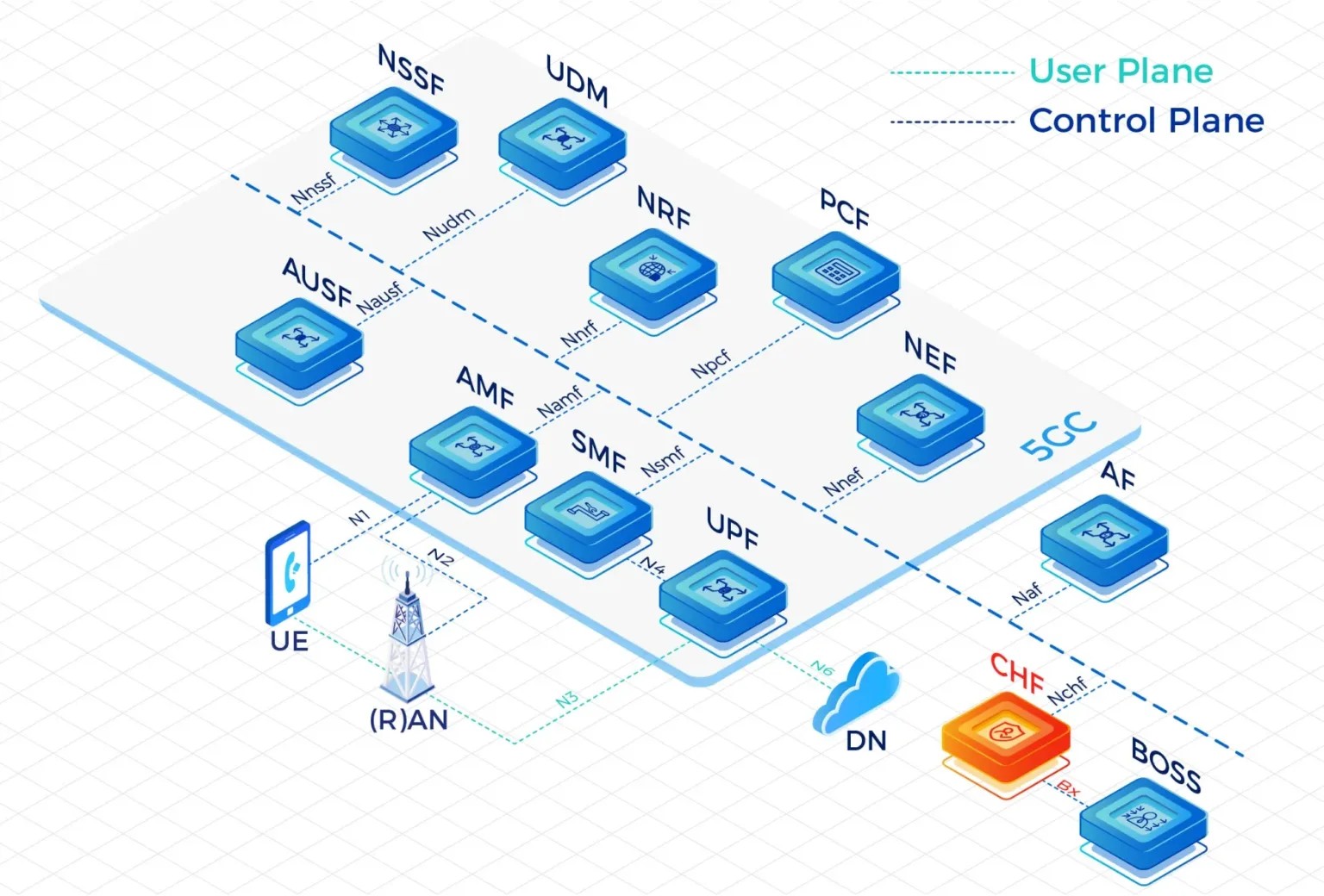
Imagine fiber-optic speeds without the wait for construction crews or the disruption of digging up your property. That’s exactly what we deliver—a connection that taps into the ground infrastructure already in place, extracting every ounce of bandwidth with minimal hassle.
By leveraging advanced transmission technologies, we unlock performance that rivals traditional fiber, all while keeping your landscape intact. It’s a seamless blend of speed and simplicity, designed to power everything from remote work to streaming without compromise.
From suburban homes to urban businesses, our approach transforms how you experience the internet. No more waiting for permits or dealing with tangled overhead lines—just pure, gigabit-capable connectivity, brought to life from the ground up.
Built for the Unforgiving: Connectivity That Defies Terrain
Rocky ridgelines, dense canopy, and miles of nowhere—out here, a weak signal isn't an inconvenience, it's a liability. That's why we built a link that doesn't just survive harsh environments but thrives in them. Adaptive frequency hopping, extreme gain antennas, and real-time noise rejection work in concert to push data through obstacles that would stop lesser gear cold. Whether you're relaying telemetry from a mountain sensor grid or coordinating a wilderness response team, this connection feels more like a physical tether than a radio wave.
From frozen tundra to blistering desert flats, every component is hardened against thermal shock, dust ingress, and relentless vibration. We didn’t settle for lab simulations—we dragged prototypes across scree fields, submerged them in silty water, and baked them in direct sun until the housings warped, then fixed what broke. The result is a platform that stays locked when conditions tell you to pack it in.
What sets it apart isn't a single breakthrough but a refusal to compromise on the edges of performance. While others throttle back, this system hunts for clean spectrum, re-routes around jamming, and maintains low-latency throughput even as the horizon swallows the sun. It's the kind of connection you stop thinking about—because it simply doesn't fail.
Tomorrow-Ready Networks That Outpace Change
Networks built for tomorrow don't just react to shifts—they stay ahead. By weaving adaptability into every layer, from self-healing topologies to intent-based orchestration, these systems learn from real-time data flows, predict congestion, and reroute traffic before users notice a hiccup. The goal isn't just speed; it's sustained relevance in an environment where applications, devices, and expectations morph overnight.
Underpinning this agility is a blend of programmable infrastructure and AI-driven analytics. Routers and switches become policy-aware, adjusting their behavior based on the ebb and flow of demand. Meanwhile, edge computing nodes process critical information closer to where it's generated, slashing latency for immersive experiences or industrial automation. The result is a fabric that breathes with the business, scaling down during quiet periods and surging forward when opportunity knocks.
Security isn't bolted on—it's woven into the architecture. Microsegmentation, continuous verification, and encrypted pathways ensure that as the network expands to embrace IoT, remote work, and cloud-native apps, each connection is treated with healthy suspicion. This zero-trust mindset, paired with automated threat response, turns the network into a living organism that not only outpaces change but also outsmarts it.
The Hidden Economics of Truly Unlimited Wireless
On the surface, an unlimited data plan seems like a straightforward proposition: pay a fixed monthly fee and consume as much data as you like. But the economics that make this possible are far from simple. Carriers aren't just selling gigabytes—they're managing a complex web of network infrastructure, spectrum licenses, and congestion thresholds. Every tower can only handle so much simultaneous traffic, and every extra megabyte streaming through during peak hours carries a real cost. The “unlimited” label masks a careful balancing act, where profitability hinges on predicting usage patterns, throttling heavy users, and investing just enough in capacity to keep complaints at bay.
Behind the scenes, the actual cost of delivering one more gigabyte of data is surprisingly low—fractions of a cent—as long as infrastructure is in place. That means carriers profit most from customers who pay the premium for unlimited but use relatively little data, subsidizing the handful who stream HD video around the clock. This cross-subsidy is the hidden engine of wireless economics. It explains why plans often come with caveats like de-prioritization during congestion or reduced video quality, which discourage excessive use without breaking the illusion of limitlessness. Savvy operators nudge behavior subtly, protecting network integrity while maintaining the premium image of “unlimited.”
There's also a psychological dimension at play. Customers are drawn to the safety of never facing overage charges, even if their actual consumption never justifies the plan's price. This fear of bill shock is so powerful that consumers will often pay a significant premium for peace of mind. For carriers, that premium translates into higher average revenue per user and lower churn rates, creating a stable cash flow that justifies the upfront network investment. The true artistry lies in designing plans that feel generous without being economically ruinous—a tightrope walk where the most profitable customer is the one who values the idea of unlimited far more than the actual bytes.
From Plug to Productivity in Under 60 Seconds
Getting started shouldn't feel like a chore. That's why we've stripped away every unnecessary step, from complex setups to tedious configurations. Simply connect the device, and within moments you're already deep into your workflow—no manuals, no delays, just instant momentum.
The system intelligently recognizes your environment and adapts on the fly, so you don't waste a second tweaking settings. Whether you're drafting, designing, or analyzing, the tools you need are ready the moment you are, transforming intention into action almost too fast to measure.
FAQ
They specialize in setting up fixed wireless access networks, using cutting-edge technology like 5G to deliver fast, reliable internet without digging up streets or running cables into every building. It's a practical way to get connected in places where traditional wired options fall short.
The big leap is in how it uses advanced radio signals and smart antennas to beam high-speed data directly to a fixed location. You get fiber-like performance with way less physical infrastructure, and it can be deployed in days instead of months.
Mainly when fiber isn't feasible due to cost, difficult terrain, or tight timelines. FWA shines in temporary setups, bridging connectivity gaps in underserved areas, or serving as a quick backup link that keeps operations smooth without a long-term commitment.
We're seeing heavy adoption in manufacturing for smart factories, retail for pop-up locations, education for reaching students off-campus, and even healthcare for connecting remote clinics. Any field that needs flexible, scalable connectivity without the fiber headache is a good fit.
It comes down to thorough planning—doing detailed site surveys, picking the right frequency bands that can punch through trees and buildings, and precisely aligning antennas. Modern systems also adjust on the fly to weather and interference, which helps a lot.
Yes, it's built for that now. With the latest gear, you're looking at low latency and enough throughput to support bandwidth-hungry tasks simultaneously—think multiple video conferences, large file transfers, and a fleet of IoT sensors, all without grinding to a halt.
5G is the engine that turned FWA from a niche option into a serious contender. Its massive capacity, ultra-low latency, and ability to carve out dedicated slices for different services mean providers can offer enterprise-grade reliability over the air, rivaling what you'd get from a physical line.
Conclusion
Imagine stretching gigabit-speed internet into the hardest-to-reach places—farms, mountains, and remote industrial sites—without waiting months for trenching or permits. That’s the quiet revolution FWA solution providers are leading: wireless links that match fiber’s consistency yet launch in hours, not seasons. From the first signal, these point-to-multipoint systems deliver low-latency performance across terrain that would swallow traditional cables. No digging, no right-of-way battles—just a small outdoor unit, a clear line of sight, and suddenly a village clinic or a pop-up construction office is online, often in under a minute.
But the real surprise lives in the spreadsheet. Fixed wireless slashes the total cost of ownership by dodging the hidden expenses of cable damage, repetitive truck rolls, and capacity upgrades that demand new trenches. True unlimited data packages finally break the cycle of stingy caps, while modular hardware supports software-defined upgrades that keep pace with 5G evolution—no ripping out infrastructure. This is connectivity built for the unforgiving, economically and physically: a network that doesn’t just survive sandstorms, ice, or urban density, but thrives, and grows smarter with time.
Contact Us
Contact Person: Shimmy
Email: [email protected]
Tel/WhatsApp: 85253392231
Website: https://www.iplook.com