
Programmable Power Supply Suppliers: How to Choose the Right One for Your Needs
2026-05-15
Selecting the right programmable power supply supplier is crucial for precision testing and development. With countless options flooding the market, identifying a partner that offers reliability, innovation, and tailored support can feel overwhelming. Whether you're upgrading lab equipment or scaling production, the smallest oversight can lead to costly delays. That's where TPS stands out—combining decades of expertise with adaptable solutions that align perfectly with your project demands. In this guide, we'll break down the key factors to consider, helping you make a confident, informed decision.
Match Core Specs to Your Project’s Real Requirements
The spec sheet rarely tells the whole story. A device might boast staggering numbers on paper, yet fall short where it matters most to your day-to-day workflow. The trick is to detach from the hype and pin down what your projects actually demand—whether it's sustained performance under load, consistency with specific software tools, or handling niche file formats without breaking stride.
Think about where the bottleneck really shows up. If you're grinding through 4K timelines, a clock speed bump won't save you if the GPU memory maxes out halfway. Conversely, a tower of cores sits idle when your stack leans heavily on single-threaded tasks. Profile a typical week of work, note the hard stops and stutters, then let those moments guide the component list rather than the latest launch buzz.
Money spent on overkill hardware rarely earns itself back—and the bleeding edge often comes with thermal quirks or driver immaturity that eat into productive hours. A solid mid-range config, tailored precisely to your software's comfort zone, tends to outpace a pricier mismatch. Pair that with generous RAM and fast storage before chasing headline-grabbing silicon, and you'll end up with a machine that feels responsive well beyond its benchmark bracket.
Put Supplier Reliability to the Test Before You Commit
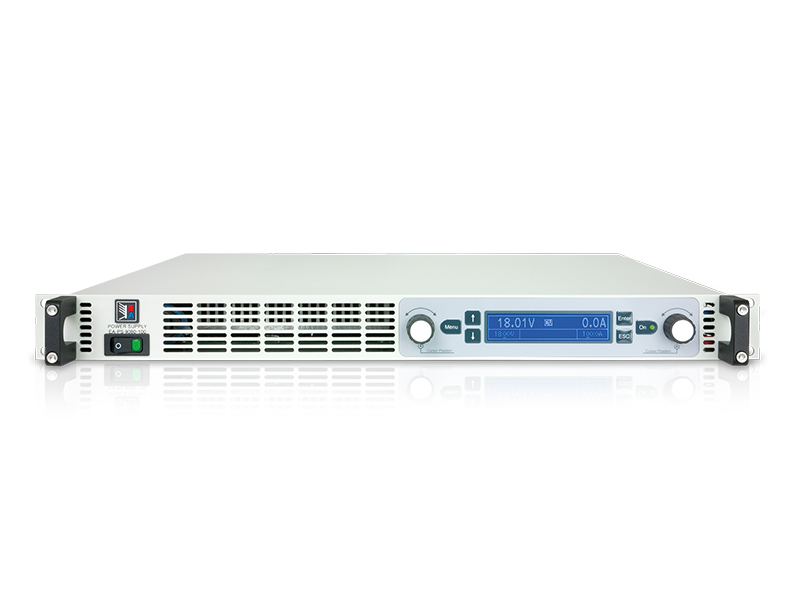
Before signing any long-term agreement, it's wise to verify that your potential supplier can actually deliver on their promises. Too many businesses learn the hard way that a flashy sales pitch doesn't always translate into reliable service.
Start by requesting a small trial order. This lets you evaluate not just product quality, but also communication, timeliness, and how they handle unexpected hiccups. A supplier that struggles with a test run is unlikely to improve under the pressure of a full-scale commitment.
Don't hesitate to ask for references from current clients. Speaking directly with businesses that have been in your shoes can reveal patterns you won't find in a polished brochure. The goal is to spot red flags now, rather than halfway through a contract when switching costs are high.
Weigh the True Cost Beyond the Initial Price Tag
Price tags can be dangerously superficial. A cheap gadget might seem like a win until you factor in the replacement batteries it guzzles, the protective case it demands, or the hours you'll lose troubleshooting its glitches. Those hidden costs often outpace the upfront savings, quietly draining your wallet and patience over the months that follow.
Think about the subscriptions, accessories, and maintenance that tag along silently. A printer with a tempting low sticker price could bleed you dry on ink cartridges, while an appliance might reveal its true color through repair bills that surface just after the warranty expires. The real expense isn't what you pay at the register—it's what you commit to in the long run.
Then there's the non-financial toll: your time, your peace of mind, and even the environmental impact of a product designed to be disposable. A piece of gear that fails early or becomes obsolete fast forces you back into the buying cycle sooner than expected. Weighing the true cost means looking past the number on the shelf and seeing the whole arc of ownership, from first use to final goodbye.
Look for Engineering Support That Feels Like a Partnership
Engineering support often arrives as a transactional exchange—file a ticket, wait for a fix, move on. But the teams that genuinely accelerate your work are those that embed themselves in your context, anticipating friction points before they become blockers. They ask about your roadmap, not just your error logs.
A true partnership emerges when the engineers on the other side care as much about your uptime and scalability as you do. They push back on quick patches that create technical debt, suggest architecture improvements during routine check-ins, and remember the quirks of your stack without needing a refresher. That depth of investment can’t be faked with scripts or SLAs.
When evaluating support offerings, look past the shiny dashboards and guaranteed response times. Pay attention to how they handle edge cases, whether they proactively share knowledge, and if they treat your success as a shared metric. The right collaboration feels less like a vendor relationship and more like a seasoned teammate who happens to sit outside your org chart.
Check for Compliance and Future-Proofing in One Step
Modern regulatory landscapes shift with alarming frequency, turning today's permissible practices into tomorrow's violations. Rather than chasing after each new rule in a reactive scramble, integrating compliance checks directly into your workflow's verification stage ensures every output is born aligned with current standards. This upfront embedding transforms compliance from a final hurdle into a seamless design parameter, catching misalignments at the point of creation.
Beyond immediate rule adherence, this approach feeds your systems with a living awareness of emerging trends and legislative drafts. By analyzing patterns in regulatory proposals, your processes aren't just compliant today—they're sculpted to gracefully absorb tomorrow's requirements. It's the difference between patching leaks and redesigning the hull; you stop simply reacting to water and start anticipating pressure points before they exist.
The real elegance emerges in how effortlessly this dual focus scales. Whether you're drafting contracts, approving feature specs, or reviewing marketing copy, the same verification step applies both a present-tense rulebook and a forward-looking lens. No separate audits. No eleventh-hour panic. Just a quiet confidence that every piece of work leaving your hands is clean today and resilient enough to stay that way as obligations evolve.
Learn from Real User Experiences, Not Just Marketing Claims
Most product pages will tell you exactly what they want you to believe. Slick demos, cherry-picked metrics, and polished testimonials all paint a perfect picture—but they rarely show you what happens after the honeymoon phase ends. Real user experiences, on the other hand, are messy, honest, and full of context that no marketing team would ever willingly publish. When you dig into community forums, long comment threads, or unfiltered video reviews, you start to see the recurring quirks, the surprise limitations, and the genuine moments of delight that actually shape daily use.
There's a big difference between a curated case study and a random Tuesday afternoon when someone's software crashes right before a deadline. Those raw, unscripted stories—shared in Slack groups, Discord servers, or buried in Reddit threads—often reveal more about a product's reliability than a dozen whitepapers. Pay attention to the language people use when they're not being compensated: the shortcuts they develop, the features they actually ignore, and the workarounds that become second nature. That's where the real evaluation happens.
The most valuable feedback usually comes from people who've been using something long enough to stop being impressed by its promises. They've moved past the excitement of the initial setup and can speak to what it's like to live with a tool day in and day out—through updates, changing needs, and shifting workflows. Seek out those voices. Look for the complaints that get echoed by different types of users, not just the loudest ones. That pattern is often a more accurate predictor of your own experience than anything you'll find on a sales page.
FAQ
It's not just about the spec sheets. Look at their track record with applications similar to yours. A supplier might boast ultra-low ripple, but if they've never supported your specific industry, you're taking a gamble. Dig into case studies, talk to their engineers, and see how they handle real-world quirks like load transients or thermal drift.
Ask for failure rate data over several production batches, not just golden samples. Visit their facility if you can. Pay attention to how they talk about past field failures—candidness is a good sign. Also check if they've supported older models for a decade or more; it reveals a commitment beyond the sale.
Yes. Beware of overly broad ranges that seem to cover everything—it often means mediocre performance across the board. Another warning is a lack of detailed derating curves or environmental specs. If they hesitate to share those, it's probably because the unit won't hold up at the extremes.
Local support can make or break your timeline. Even the best hardware needs occasional troubleshooting, and time zones matter. A global brand without regional engineers might leave you hanging. Conversely, a smaller local supplier with deep expertise often provides more personalized attention.
Customization is huge if your project has unique constraints—odd voltage ranges, communication protocols, or form factors. A supplier that treats your request as a burden instead of a challenge isn't right. The best ones collaborate on the design, not just tweak a stock model.
Price matters, but chasing the lowest quote can backfire. I've seen cheap units drift after a few months, causing ripple issues that cost days of debugging. Think about the total cost of ownership—calibration, downtime, and support. A mid-range supply from a reputable vendor often saves money in the long run.
Look at their R&D pipeline and how actively they participate in industry events. A supplier stuck in legacy designs will struggle when you need faster slew rates or digital interfaces. Ask about their roadmap for things like USB-C PD or wide bandgap semiconductors—it tells you if they're forward-thinking.
Conclusion
Zeroing in on the right programmable power supply supplier starts by looking past glossy brochures and matching core specs—voltage range, output precision, ripple, and transient response—to what your project really demands, not inflated wish lists. Demand proof: request a sample unit and run it through edge-case scenarios, monitoring stability under varying loads over time. Reach out to actual users, not just curated testimonials; ask about failures, support responsiveness, and how the gear holds up after thousands of hours. Their scars reveal the truth no datasheet can.
Beyond the purchase price, calculate total cost of ownership—calibration intervals, software licenses, and power efficiency add up fast. The best suppliers offer deeper engineering collaboration, helping you integrate their supplies into automated test racks or custom embedded systems without nickel-and-diming every question. Simultaneously verify compliance with safety and EMC standards you’ll face down the road, and check if the platform supports remote control protocols and firmware updates that prevent obsolescence. When a supplier treats your roadmap as a shared challenge rather than a transaction, you’ve found a partner worth keeping.
Contact Us
Contact Person: Lily
Email: [email protected]
Tel/WhatsApp: +49 (0) 2161 49526-0
Website: https://tps-elektronik.com/en/