
Top-Rated Ring Main Unit Factory: Key Features and Benefits for Your Power System
2025-12-26
In the world of reliable power distribution, selecting the right components can make all the difference for your system's efficiency and safety. If you're exploring top-rated ring main units (RMUs), you're already on the path to enhancing your electrical infrastructure. As an industry leader, Lugao combines cutting-edge technology with proven expertise to deliver RMUs that excel in key features and benefits. In this blog, we'll dive into what sets high-performing RMUs apart, how they optimize power systems, and why Lugao's solutions stand out in a competitive market. Get ready to discover insights that can transform your approach to power management.
Enhancing Grid Reliability with Advanced Ring Main Unit Designs
Modern ring main units (RMUs) represent a significant evolution from traditional switchgear, incorporating smart technologies that actively monitor grid conditions in real-time. By integrating sensors and communication modules, these advanced units can detect faults almost instantaneously—such as overloads or insulation failures—and automatically reroute power through alternative pathways. This self-healing capability not only minimizes outage durations but also prevents cascading failures that could affect broader sections of the distribution network. The result is a more resilient grid that adapts dynamically to disruptions, maintaining service continuity even under unexpected stress.
Beyond fault management, contemporary RMU designs enhance reliability through modular construction and redundancy features. For instance, compact, sealed units reduce failure risks from environmental factors like moisture or dust, while dual-power sources and backup switching mechanisms ensure uninterrupted operation during maintenance or component failures. These innovations allow utilities to perform upgrades or repairs without shutting down entire sections, significantly improving uptime. In urban settings, where space constraints and high power demands are common, such advanced RMUs enable efficient, reliable energy delivery with minimal footprint.
Looking ahead, the integration of RMUs with smart grid systems and renewable energy sources is pushing reliability to new heights. By facilitating bidirectional power flow, these units support distributed generation from solar or wind, seamlessly balancing supply and demand while mitigating instability. Advanced control algorithms analyze data from RMUs to optimize load distribution and predict maintenance needs, reducing unplanned outages. As grids evolve to meet sustainability goals, robust RMU designs are proving essential for building a future-proof infrastructure that prioritizes both reliability and adaptability in an increasingly electrified world.
Streamlining Power Distribution Through Smart Unit Features
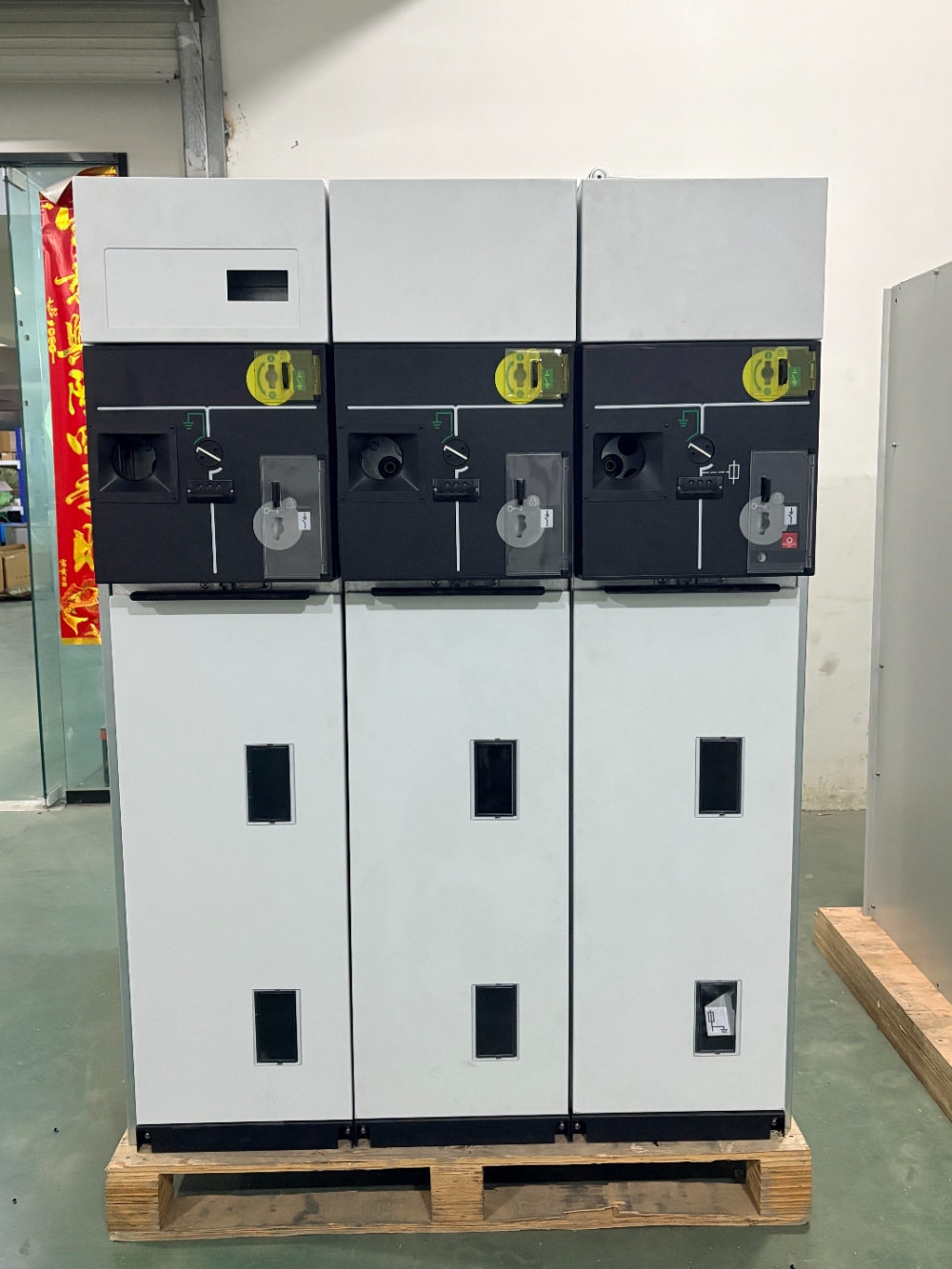
The integration of smart unit features into power distribution systems has fundamentally transformed how electricity flows from source to end-user. By embedding intelligent components, such as sensors, switches, and controllers, into distribution units, utilities can now monitor real-time data on voltage, current, and load conditions. This granular visibility allows for swift identification of faults or inefficiencies, enabling automated responses like rerouting power or adjusting settings. The result is a more resilient grid that minimizes outages and maintains consistent voltage levels, all while reducing the need for manual intervention. This shift toward digitization isn't just about adding gadgets; it's about creating a dynamic network that anticipates and adapts to changes in demand, from peak hours to sudden spikes, ensuring a seamless energy supply even in unpredictable scenarios.
A key aspect of streamlining power distribution lies in the enhanced communication capabilities of these smart units. Rather than operating in isolation, they form interconnected nodes that exchange information across the system. For instance, a smart circuit breaker might detect an overload and signal nearby units to balance the load automatically, preventing cascading failures. This collaborative approach enables predictive maintenance, where potential issues are flagged before they escalate into costly repairs. By leveraging technologies like edge computing and IoT protocols, these units can process data locally, reducing latency and enhancing security. The overall effect is a distribution network that behaves more like a living ecosystem, constantly optimizing itself for efficiency without human oversight, which translates into lower operational costs and fewer service interruptions for consumers.
Another significant advantage is the integration of renewable energy sources into the grid through smart unit features. As solar panels and wind turbines become more prevalent, managing their variable output becomes a challenge. Smart units equipped with advanced algorithms can adjust distribution in real-time, storing excess energy or directing it to areas with higher demand. This flexibility supports a greener energy mix by maximizing the use of renewables and reducing reliance on fossil fuels. For example, during sunny days, smart inverters can coordinate with storage systems to smooth out fluctuations, ensuring stable power delivery. Ultimately, these innovations streamline distribution not just for reliability, but also for sustainability, paving the way for a cleaner, more responsive energy infrastructure that adapts to both environmental and economic shifts.
Customizable Solutions for Diverse Electrical System Needs
Navigating the complexities of modern electrical systems can be daunting, especially when one-size-fits-all approaches fall short. That's where tailored solutions come into play—they adapt to your specific requirements, whether you're upgrading a residential setup, retrofitting an industrial plant, or integrating renewable energy sources. By focusing on flexibility and precision, these customizable options ensure that every component, from wiring and circuit protection to smart controls, aligns seamlessly with your operational goals and environmental constraints.
Imagine having the ability to fine-tune your electrical infrastructure to handle peak demands without compromising efficiency or safety. With a custom approach, you can incorporate modular designs that scale as your needs evolve, incorporating advanced technologies like IoT-enabled monitoring or energy storage systems. This not only enhances reliability but also reduces long-term costs by minimizing waste and optimizing resource use. It's about building a resilient system that grows with you, rather than boxing you into rigid, outdated frameworks.
From small-scale commercial projects to large industrial complexes, the key advantage lies in the personalized attention to detail. Engineers and experts work closely with clients to assess unique challenges—such as fluctuating power loads, harsh environmental conditions, or compliance with stringent regulations—and devise solutions that address these head-on. This collaborative process fosters innovation, leading to bespoke systems that outperform generic alternatives in durability, performance, and user-friendliness. Ultimately, it transforms electrical planning from a routine task into a strategic asset for any operation.
Boosting Operational Efficiency with Built-In Safety Components
Integrating safety components directly into operational systems isn't just about reducing accidents; it's a smart strategy to enhance overall efficiency. By embedding safety features like automated shut-offs and real-time monitoring into machines or workflows, businesses minimize unexpected downtimes caused by mishaps. This proactive approach ensures that operations run smoothly without frequent interruptions, allowing teams to focus on productivity rather than reactive problem-solving. As a result, organizations can accelerate processes while maintaining a secure environment, leading to higher output and lower costs.
Unlike add-on safety measures that can be cumbersome or overlooked, built-in components are seamlessly woven into the core design. For instance, in manufacturing, sensors that detect anomalies and adjust machine parameters on-the-fly prevent minor issues from escalating into major failures. This not only keeps workers safe but also reduces the need for manual checks and maintenance, freeing up resources for more value-added tasks. By prioritizing safety as an inherent part of operations, companies foster a culture of reliability where efficiency grows naturally from robust, fail-safe systems.
The synergy between safety and efficiency becomes particularly evident in high-stakes industries like logistics or healthcare, where built-in components like ergonomic controls or infection-resistant materials streamline daily activities. When safety is a built-in priority, it eliminates the friction often associated with separate protocols, enabling faster decision-making and smoother workflows. This holistic approach not only boosts operational metrics but also enhances employee morale, as workers feel supported by systems designed to protect them while optimizing performance. Ultimately, this leads to a competitive edge where safety drives efficiency, not hinders it.
Reducing Maintenance Costs Through Durable Construction Materials
When builders opt for durable materials like concrete, steel, or high-performance composites, they're investing in long-term savings. These sturdy options resist wear from weather, usage, and time, cutting down on frequent repairs. For instance, using corrosion-resistant steel in a coastal project can prevent costly replacements every few years, keeping budgets in check over decades.
Beyond just lasting longer, durable materials often require less upkeep. Picking low-maintenance finishes or self-cleaning surfaces means fewer cleaning cycles and reduced labor costs. Imagine a building facade with special coatings that repel dirt—this simple choice slashes maintenance schedules and related expenses, making operations smoother and more predictable.
In the bigger picture, durability boosts sustainability by minimizing resource use for repairs and replacements. This not only saves money but also aligns with eco-friendly goals, appealing to clients who value both economy and environmental responsibility. By focusing on materials that stand the test of time, projects gain a competitive edge through reliability and reduced lifecycle costs.
Optimizing System Integration with User-Friendly Control Interfaces
Integrating complex systems often leads to clunky, unintuitive control panels that frustrate users and hinder productivity. We focus on streamlining this process by designing interfaces that feel natural and effortless. By employing intuitive layouts, clear visual cues, and responsive interactions, we transform chaotic dashboards into cohesive tools that enhance rather than complicate workflows.
Instead of forcing users to adapt to rigid technical constraints, our approach prioritizes human-centric design principles. We conduct thorough user research to identify pain points and preferences, ensuring that each interface element serves a clear purpose. This results in smoother system operations and faster adoption rates, as users can navigate controls with minimal training.
By merging aesthetic appeal with functional simplicity, we create control interfaces that not only optimize system integration but also elevate the overall user experience. This balanced approach reduces errors, boosts efficiency, and fosters a more engaging interaction with technology.
FAQ
A Ring Main Unit (RMU) is a compact, switchgear assembly used in medium-voltage power distribution networks, typically up to 36 kV. It's crucial for modern power systems because it provides reliable, ring-type configurations that improve continuity of supply—if one section fails, power can be rerouted without outages, enhancing overall system resilience and efficiency in urban and industrial settings.
A top-rated RMU factory adheres to strict international quality certifications like ISO 9001, employs advanced manufacturing processes, and uses high-grade materials such as SF6 gas or vacuum interrupters for insulation and switching. They conduct rigorous testing, including type tests and routine inspections, to ensure compliance with IEC standards, minimizing faults and operator risks, which translates to safer, long-lasting installations with minimal maintenance needs.
When choosing an RMU, prioritize features like modular design for easy expansion, remote monitoring capabilities via SCADA systems, robust construction for harsh environments, and eco-friendly options with reduced SF6 usage. Also, consider factors like switchgear type (e.g., gas-insulated or solid-dielectric), fault detection systems, and after-sales support to ensure optimal performance tailored to your power grid's specific demands.
Yes, top-rated factories offer customizable RMUs to suit diverse applications. For renewable energy, units can include features like grid synchronization and protection relays for solar or wind farms. In industrial plants, they might be designed with higher current ratings, corrosion-resistant enclosures, or special switchgear for heavy-duty operations, ensuring seamless integration and enhanced reliability across various sectors.
Investing in a high-quality RMU provides numerous long-term benefits: reduced downtime due to reliable ring configurations, lower operational costs through energy-efficient designs and minimal maintenance, improved safety with advanced fault protection, and scalability to adapt to future grid expansions. This leads to a more stable power supply, reduced TCO, and compliance with evolving regulatory standards, boosting overall system sustainability.
Modern RMUs enhance grid reliability in urban areas by incorporating smart technologies like automated switches and sensors that quickly detect and isolate faults, preventing cascading outages. Their compact size allows for installation in space-constrained locations, while ring topology ensures alternative power paths, minimizing disruption to critical services like hospitals or data centers, thus supporting uninterrupted urban infrastructure operations.
A top RMU factory typically offers comprehensive after-sales services, including installation guidance, operator training programs, and 24/7 technical support. They provide spare parts availability, regular maintenance schedules, and software updates for monitoring systems. Some also offer performance audits and retrofit options to keep units up-to-date with the latest advancements, ensuring sustained efficiency and addressing issues promptly over the product's lifecycle.
Conclusion
Top-rated ring main unit factories provide advanced designs that significantly enhance grid reliability by incorporating robust materials and intelligent features, ensuring stable power distribution even under demanding conditions. These units streamline operations through smart functionalities that optimize energy flow and respond dynamically to system demands, integrating seamlessly with existing infrastructure to minimize disruptions. Customizable solutions further support diverse electrical needs, allowing tailored configurations for specific industrial, commercial, or residential applications, thereby boosting flexibility and performance.
Operational efficiency is maximized through built-in safety components that protect against faults and hazards, reducing downtime while maintaining high standards of compliance. Durable construction materials contribute to lower maintenance costs by extending unit lifespan and resisting environmental wear, leading to significant long-term savings. User-friendly control interfaces facilitate easy integration and management, empowering operators to monitor and adjust systems effectively, ultimately delivering a comprehensive package that optimizes power system performance, reliability, and cost-effectiveness for users worldwide.
Contact Us
Contact Person: Doreen
Email: [email protected]
Tel/WhatsApp: 8618057712366
Website: https://www.liugaopower.com/