
Top Wall-mounted Active Harmonic Filter Brands for China: Your Ultimate Guide
2025-12-31
Navigating the dynamic landscape of China's industrial power solutions can be a daunting task, especially when it comes to ensuring clean, stable energy with wall-mounted active harmonic filters. As businesses strive to enhance efficiency and comply with stringent standards, the choice of the right brand becomes paramount. In this ultimate guide, we delve into the top brands dominating this critical field, and shine a spotlight on GEYA, a standout name that's redefining reliability and innovation. What sets these leaders apart, and how can they transform your operations? Let's explore the cutting-edge technologies and real-world benefits that make each brand a contender in this competitive arena.
Leading Brands Shaping China's Harmonic Filtration Market
The landscape of China's harmonic filtration market is increasingly defined by a select group of pioneering firms that are not just responding to demand but actively shaping industry standards. Companies like ABB, Schneider Electric, and Mitsubishi Electric have established a strong foothold by leveraging their global expertise in power quality solutions, adapting advanced technologies to meet local grid challenges. These leaders are driving innovation through smart filtration systems that integrate with China's rapid digitalization of industrial infrastructure, helping factories and utilities mitigate harmonic distortions that can cause equipment failures and energy inefficiencies.
Beyond international giants, homegrown brands such as Sieyuan Electric and NR Electric are gaining prominence by offering tailored solutions that address specific regional power quality issues. By focusing on cost-effective, high-performance products and forging partnerships with local utilities, these domestic players are carving out significant market share. Their deep understanding of China's evolving regulatory environment and grid modernization initiatives allows them to develop filtration technologies that are not only compliant but also anticipate future needs, such as supporting renewable energy integration and electric vehicle charging networks.
Innovative Technologies in Wall-Mounted Active Solutions
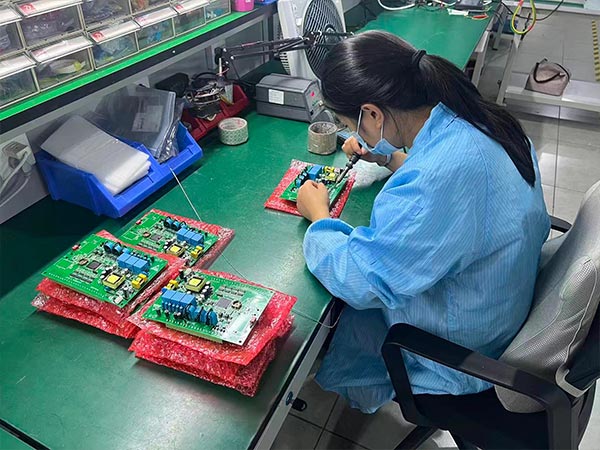
Advancements in wall-mounted active solutions are transforming how we optimize space and enhance climate control in modern environments. From sleek, energy-efficient designs that blend seamlessly into interior aesthetics to smart sensor integration for real-time adjustments, these systems prioritize both functionality and minimalism. By leveraging compact yet powerful components, they deliver high-performance heating, cooling, or ventilation without the bulkiness of traditional setups, making them ideal for urban homes and commercial spaces where floor area is at a premium.
Cutting-edge technologies like IoT connectivity and AI-driven algorithms enable these wall-mounted units to learn usage patterns and autonomously adjust settings for optimal comfort and energy savings. For instance, some models incorporate adaptive airflow that responds to occupancy or ambient conditions, reducing waste while maintaining a consistent environment. This proactive approach not only lowers operational costs but also extends the lifespan of the equipment, setting a new standard for sustainability in active wall solutions.
Innovation extends to installation and maintenance, with modular designs that simplify upgrades and repairs. Features such as self-cleaning filters and quiet operation enhance user experience, while compatibility with renewable energy sources, like solar panels, underscores their role in eco-friendly building designs. As these technologies evolve, they offer versatile, future-proof solutions that cater to diverse needs, from residential settings to high-demand industrial applications, ensuring performance and adaptability in an ever-changing world.
Tailored Performance for China's Industrial Power Systems
China's industrial power systems demand solutions that are precisely calibrated to meet the unique challenges of a rapidly evolving market. Unlike generic off-the-shelf products, tailored performance involves designing components and systems that align with local grid specifications, environmental conditions, and operational demands. This approach ensures reliability and efficiency, particularly in sectors like manufacturing, energy-intensive processes, and infrastructure development, where downtime can have significant economic impacts. By integrating advanced technologies such as smart grid capabilities and energy management systems, these tailored solutions help industries optimize power usage while adhering to China's stringent regulatory standards.
In practice, tailoring performance means going beyond basic compliance to address specific regional nuances. For instance, companies might develop power systems with enhanced resilience to voltage fluctuations common in industrial zones or design cooling mechanisms suited to varied climates across the country. This customization not only boosts operational uptime but also reduces long-term maintenance costs, giving businesses a competitive edge in a crowded market. By focusing on real-world applications rather than one-size-fits-all models, providers can deliver systems that are both innovative and practical, fostering sustainable growth for China's industrial sector.
Ultimately, the move toward tailored performance reflects a deeper understanding of China's industrial ecosystem, where efficiency and adaptability are key drivers of success. It enables a proactive approach to power management, allowing companies to anticipate and mitigate potential issues before they escalate. As industries continue to modernize, this bespoke strategy ensures that power systems not only support current operations but are also scalable for future expansions, contributing to a more robust and forward-looking industrial landscape in China.
Comparative Analysis of Top-Tier Manufacturers
When evaluating top-tier manufacturers, it's not just about who produces the most units or boasts the biggest factories. Instead, the real distinction often lies in nuanced factors like supply chain resilience, innovation cycles, and sustainability commitments. For instance, some leaders excel in rapid prototyping and customization, while others prioritize cost efficiency without sacrificing quality, creating a dynamic landscape where no single approach dominates universally.
A closer look reveals that operational transparency and ethical labor practices are increasingly becoming differentiators among elite manufacturers. Companies that openly share their production processes and invest in worker welfare often gain a competitive edge in markets where consumers value authenticity. This shift highlights how traditional metrics like output volume are being supplemented by softer, yet crucial, aspects that influence long-term brand loyalty and industry reputation.
In this analysis, we dive into case studies from various sectors to illustrate how top manufacturers adapt to technological disruptions, such as automation and AI integration, while maintaining core competencies. By comparing their strategies and outcomes, we uncover insights that go beyond surface-level rankings, offering a richer understanding of what truly sets the best apart in today's globalized economy.
Key Features Driving Success in Chinese Installations
From bustling urban centers to remote rural areas, installations in China often thrive due to their meticulous attention to local market dynamics and consumer behavior. For instance, many successful projects incorporate adaptive technologies that cater specifically to regional needs, such as energy-efficient systems tailored to varying climates or mobile-first interfaces that align with widespread smartphone usage. This localized approach not only enhances user engagement but also fosters trust, enabling faster adoption and sustained growth.
Another standout factor is the robust integration of data analytics and real-time monitoring, which allows for proactive adjustments based on performance metrics. Unlike generic implementations, Chinese installations frequently employ AI-driven insights to optimize operations, reduce downtime, and personalize user experiences. By leveraging advanced tools to anticipate trends and address issues preemptively, these setups achieve higher efficiency and customer satisfaction, setting them apart in a competitive landscape.
Moreover, success often stems from strong partnerships with local stakeholders and communities, fostering collaboration that goes beyond mere technical deployment. Engaging with users through feedback loops and iterative improvements creates a sense of ownership and loyalty. This community-centric model, combined with agile methodologies, ensures that installations remain relevant and resilient, adapting swiftly to evolving demands and regulatory changes in the Chinese market.
Future Trends in Harmonic Control Equipment
Looking ahead, the harmonic control equipment landscape is poised for a shift toward smarter, more integrated solutions. Rather than just standalone devices, we're seeing a move to systems that communicate seamlessly with broader power management platforms, using real-time data to anticipate and mitigate issues before they escalate. This proactive approach not only boosts reliability but also cuts down on maintenance headaches, making it a game-changer for industries where uptime is critical.
Another exciting trend is the push for greater efficiency and sustainability. As energy costs climb and environmental concerns grow, manufacturers are focusing on equipment that minimizes power losses while handling harmonics. Think lighter, more compact designs that don't skimp on performance, coupled with materials and technologies that extend lifespan. This isn't just about meeting regulations—it's about delivering tangible savings and a smaller footprint, appealing to forward-thinking businesses.
Innovation in harmonics control is also being driven by the rise of renewable energy and complex loads, like those from electric vehicles and data centers. These introduce new harmonic patterns that old gear can't handle well, sparking demand for adaptive, high-performance solutions. Expect to see more equipment with advanced filtering capabilities and modular setups that can be tailored to specific needs, ensuring they stay relevant as our power grids evolve and become more unpredictable.
FAQ
Top brands in China include ABB, Siemens, Schneider Electric, and local leaders like Sinexcel, known for reliability and performance in industrial settings.
Wall-mounted models are compact and easy to install on vertical surfaces, offering efficient harmonic mitigation with minimal space requirements compared to floor-mounted units.
Sinexcel is often recommended for its competitive pricing and robust features, making it a popular choice for SMEs looking to reduce harmonic distortion.
Focus on power rating, response time, harmonic compensation levels, and compliance with Chinese standards like GB/T for safety and performance assurance.
Yes, brands like Hope Micro and Gongniu are rising, known for innovative designs and enhanced connectivity options for modern industrial applications.
Top brands like ABB and Schneider incorporate robust enclosures and thermal management systems to ensure stable operation under diverse Chinese climate conditions.
Most require minimal maintenance, with brands like Siemens offering user-friendly interfaces and remote monitoring to simplify diagnostics and upkeep.
Yes, they are designed for easy integration; however, challenges may include compatibility with older systems, which top brands address through customizable solutions and technical support.
Conclusion
In the competitive landscape of China's harmonic filtration market, top wall-mounted active harmonic filter brands are increasingly shaping the industry through innovative technologies and tailored solutions. Leading manufacturers are leveraging advanced active solutions to address the unique challenges of China's industrial power systems, such as voltage fluctuations and high harmonic distortion. A comparative analysis reveals that these top-tier companies differentiate themselves by integrating key features like real-time monitoring, high efficiency, and robust reliability, which are crucial for success in diverse installations across the country. This focus on performance and adaptability helps these brands stand out, offering customers effective tools to mitigate harmonic issues and enhance power quality in various industrial settings.
Looking ahead, future trends in harmonic control equipment point towards smarter, more integrated systems that align with China's growing emphasis on energy efficiency and sustainability. Brands are expected to incorporate predictive analytics, IoT connectivity, and enhanced customization to meet evolving regulatory standards and operational demands. By continuously adapting to market needs and driving innovation, these wall-mounted active filters not only provide immediate benefits but also position themselves for long-term growth. This comprehensive approach ensures that businesses can rely on these products to optimize their power infrastructure, making them a vital component in China's industrial advancement and a key guide for those seeking reliable harmonic filtration solutions.
Contact Us
Contact Person: Leo
Email: [email protected]
Tel/WhatsApp: +86-13567770207
Website: https://www.geyapower.com/